Subtotal $0.00




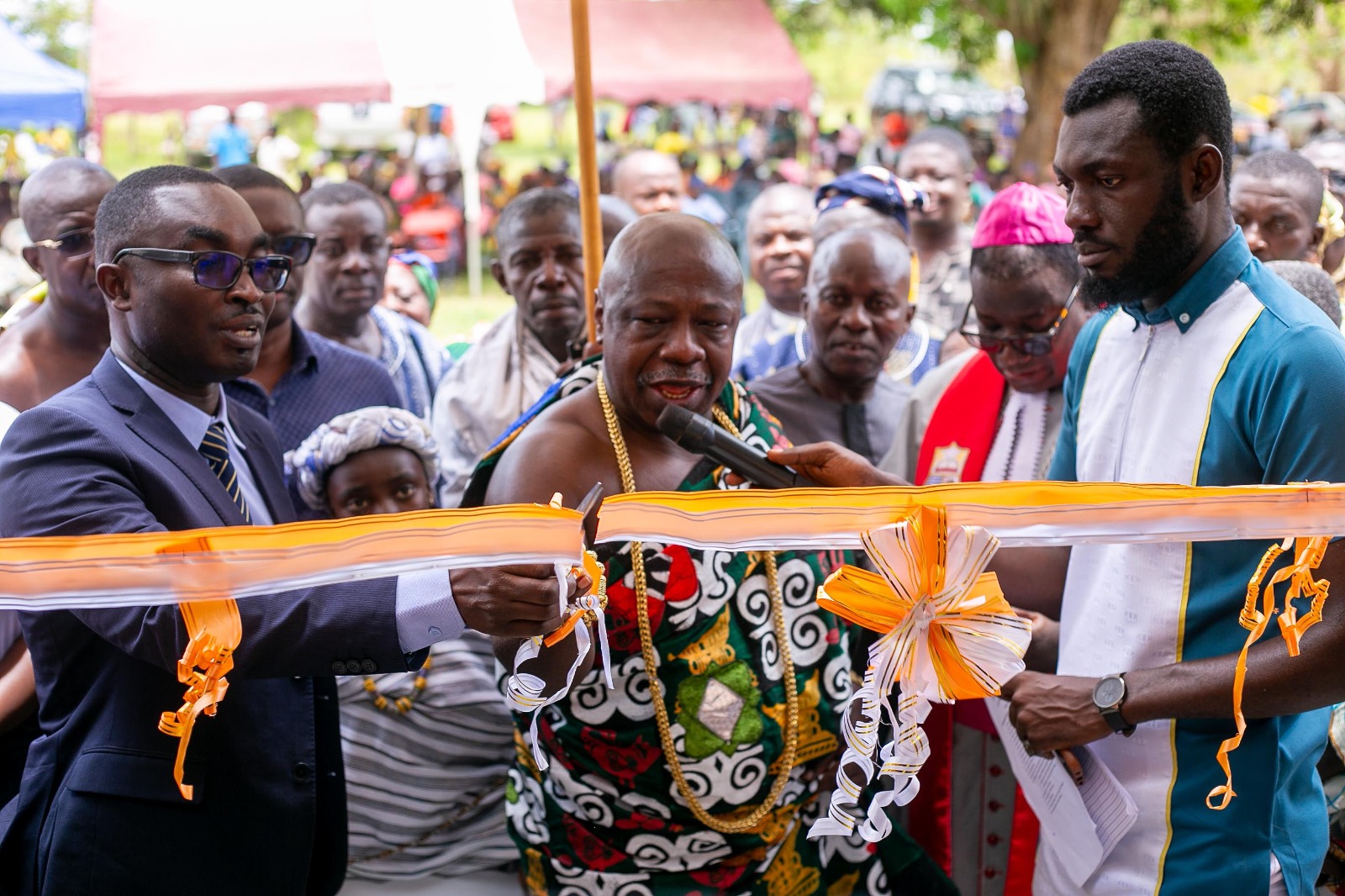
Fidelity Bank Ghana has commissioned two new educational infrastructure projects in Tema and Assin Wurakese in the Central Region under its Orange Impact Initiative, reinforcing the Bank’s long-term commitment to improving learning environments for children in underserved communities across the country.
The projects include the refurbishment of the day care block,washroom facilities, a new water tank and rainwater harvesting system of the Tema Community 1 Day Care Centre at Site 10 and the construction of a new six-unit classroom block for Assin Wurakese School, alongside a rainwater harvesting system and a school garden designed to support both learning and sustainability.
The refurbishment of the Tema Community 1 Day Care Centre and the construction of a new six-unit classroom block for Assin Wurakese School marks the 12th and 13th school respectively to benefit from Fidelity Bank’s Orange Impact Initiative, a flagship Corporate Social Responsibility programme launched in 2022 to strengthen educational infrastructure in marginalised schools across Ghana.
Commenting on the commissioning, Managing Director of Fidelity Bank Ghana, Julian Opuni, said investing in education remains one of the most meaningful ways institutions can contribute to national development.
“Education remains one of the most powerful foundations for building opportunity and shaping the future of our country,” Mr. Opuni said. “Through the Orange Impact Initiative, we are focused on improving the environment where young people begin their learning journey. When children have safe, inspiring and well-equipped spaces to learn, it changes how they see their future and what they believe is possible.”
He noted that the programme reflects Fidelity Bank’s belief that development must begin with strengthening the systems that support communities.
“As a Ghanaian bank, we recognise that our growth is closely connected to the growth of the communities we serve. Supporting schools is not simply about buildings; it is about creating the conditions for young people to develop their potential and contribute meaningfully to the country’s future,” he added.
Under the initiative, Fidelity Bank pledged to support 15 marginalized schools over a five-year period through classroom renovations, new infrastructure and the provision of modern learning tools aimed at improving the quality of teaching and. The Bank is currently on track to complete all 15 schools ahead of the five-year deadline, underscoring the effectiveness and momentum of the programme.
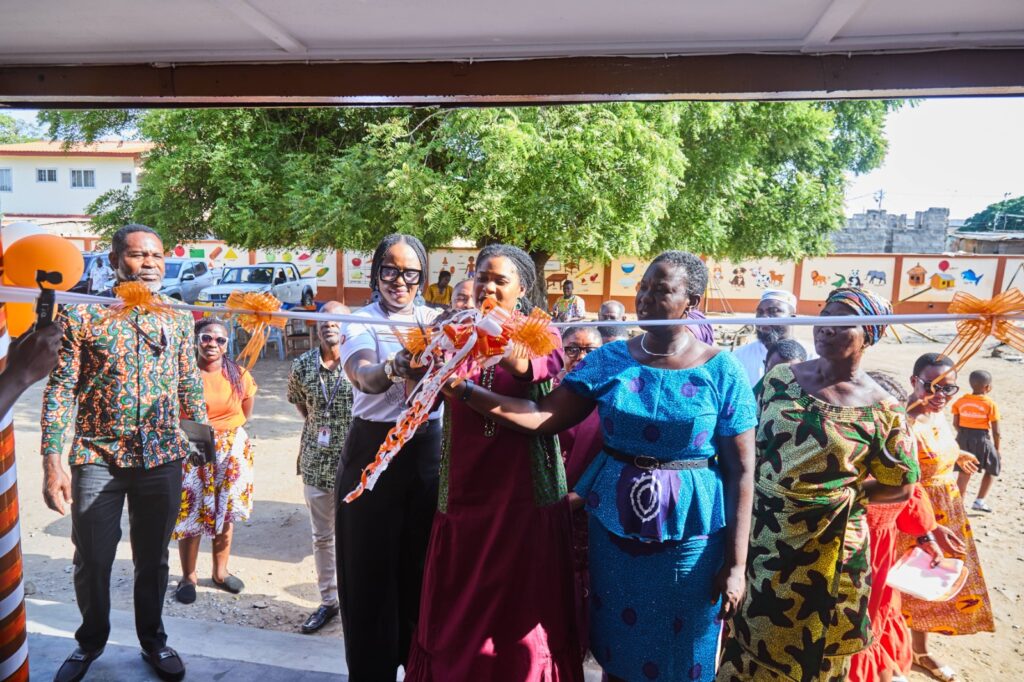
Head of Partnerships, Sustainability and CSR at Fidelity Bank Ghana, Nana Yaa Afriyie Ofori-Koree, explained that the programme is designed to address practical challenges faced by many schools in underserved communities.
“In many communities, children are eager to learn but the environment they study in makes that journey more difficult than it should be,” she said. “The Orange Impact Initiative is about responding to those realities by improving the spaces where teaching and learning happen, while also supporting schools with resources that enhance the overall learning experience.”
She added that the project at Assin Wurakese School was designed to support both education and sustainability.
“The new six-unit classroom block creates a more conducive environment for teaching and learning, while the rainwater harvesting system and school garden introduce students to sustainable practices that connect education with everyday life,” she noted.
Since its launch in 2022, the Orange Impact Initiative has supported 11 schools across several regions of Ghana, including Duose D/A Primary School, Mamprobi Ebenezer 4, Okogyeasuo MA Basic School, Fodome Kordzeto M/A Primary & JHS, Nyameyekrom M/A KG and Primary, Accra Royal JHS, AbbeyKorpe DA Basic School, Techiman Baptist Basic School, Pakyi Banko M/A Basic School, the Tesano Cluster of Schools, which received a state-of-the-art e-library in 2025 and Atampuurum B KG/Primary School.
With the addition of the projects in Tema and Assin Wurakese, Fidelity Bank continues to expand the reach of the programme as part of its broader commitment to supporting education, community development and inclusive growth across Ghana.
END.





Comments are closed