Subtotal $0.00




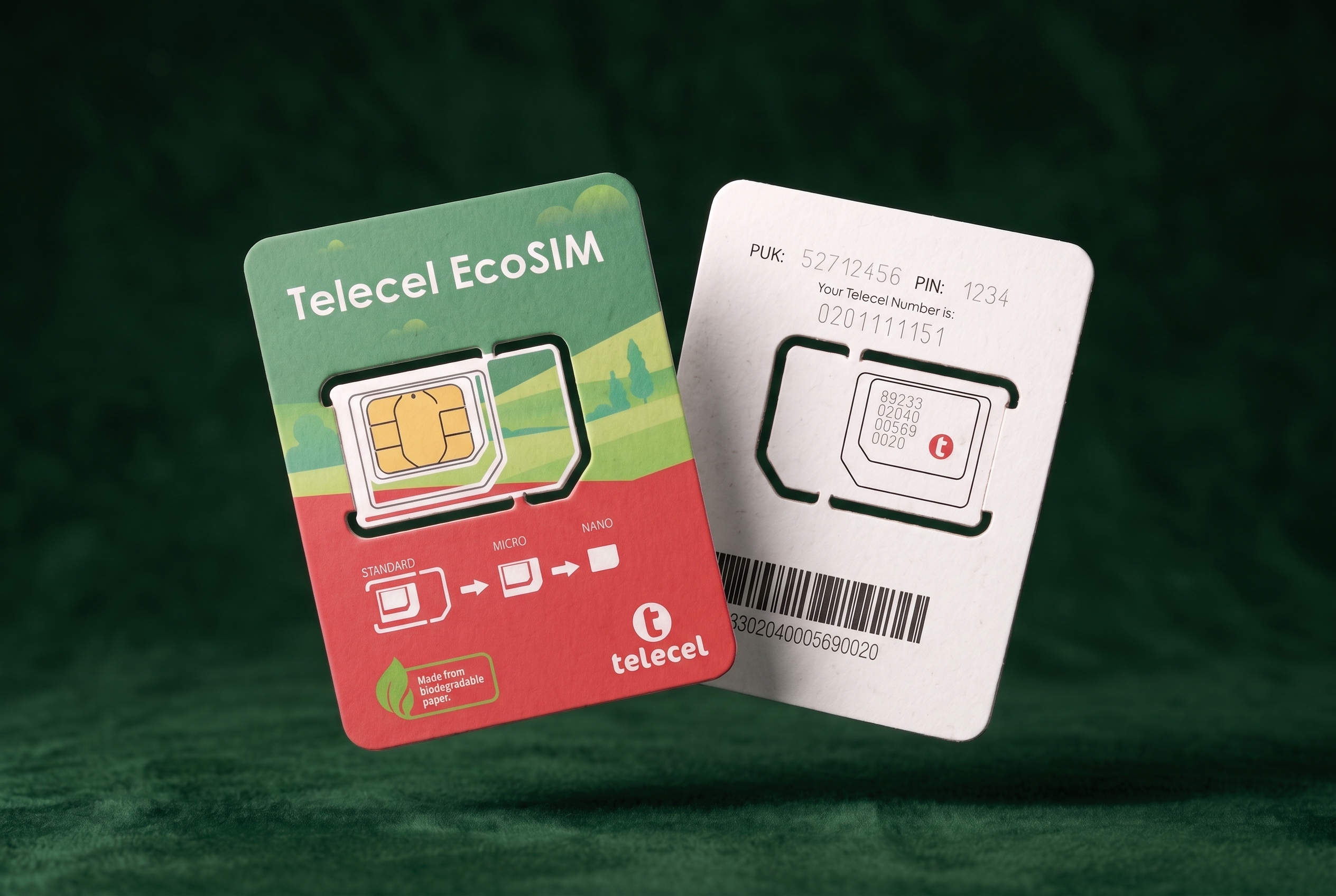
Telecel Ghana has launched the biodegradable Eco-SIM, reinforcing its commitment to environmental sustainability and giving customers a greener way to stay connected. Made with 90 per cent less plastic, Telecel’s Eco-SIM delivers the same reliable voice, data and digital experience customers expect with a significantly lower environmental footprint.
The launch comes at a time when billions of physical SIM cards continue to be produced globally each year. According to the global connectivity industry association, the Trusted Connectivity Alliance, around 3.7 billion physical SIMs were manufactured in 2024, underscoring the need to make everyday connectivity products more sustainable.
The National Communications Authourity’s (NCA) data estimates over 43 million active mobile SIM users in Ghana as of February 2026, creating an opportunity for the telecommunications industry to reduce plastic consumption and waste through more sustainable alternatives.
“The Eco-SIM is redesigned to reduce waste and put climate action directly into our customers’ hands,” said Aneth Muga, Director of Consumer Business at Telecel Ghana. “Every customer who using an Eco-SIM is taking a small yet meaningful step to reduce plastic waste and support a greener country.”
Though small, SIM cards and their packaging contribute to the stream of single-use plastics that accumulate in landfills and waterways. By replacing the conventional SIM with a biodegradable alternative, Telecel Ghana is making it easier for customers to make more environmentally responsible choices without changing how they stay connected.
“Connectivity powers modern life and it’s important we demonstrate that we can connect people while reducing our environmental impact. Telecel’s Eco-SIM shows that technology and sustainability can work hand in hand for the greater good,” said Komla Buami, Director of External Affairs at Telecel Ghana.
The Eco-SIM rollout further strengthens Telecel Ghana’s broader sustainability agenda. The telco is transitioning its network exchanges into solar-powered connectivity hubs, with 16 exchanges already powered by renewable energy.
It has also planted more than 40,000 trees across forest reserves, including Achimota, Chipa and South Formangso, contributing to reforestation and ecosystem restoration.








Comments are closed