Subtotal $0.00




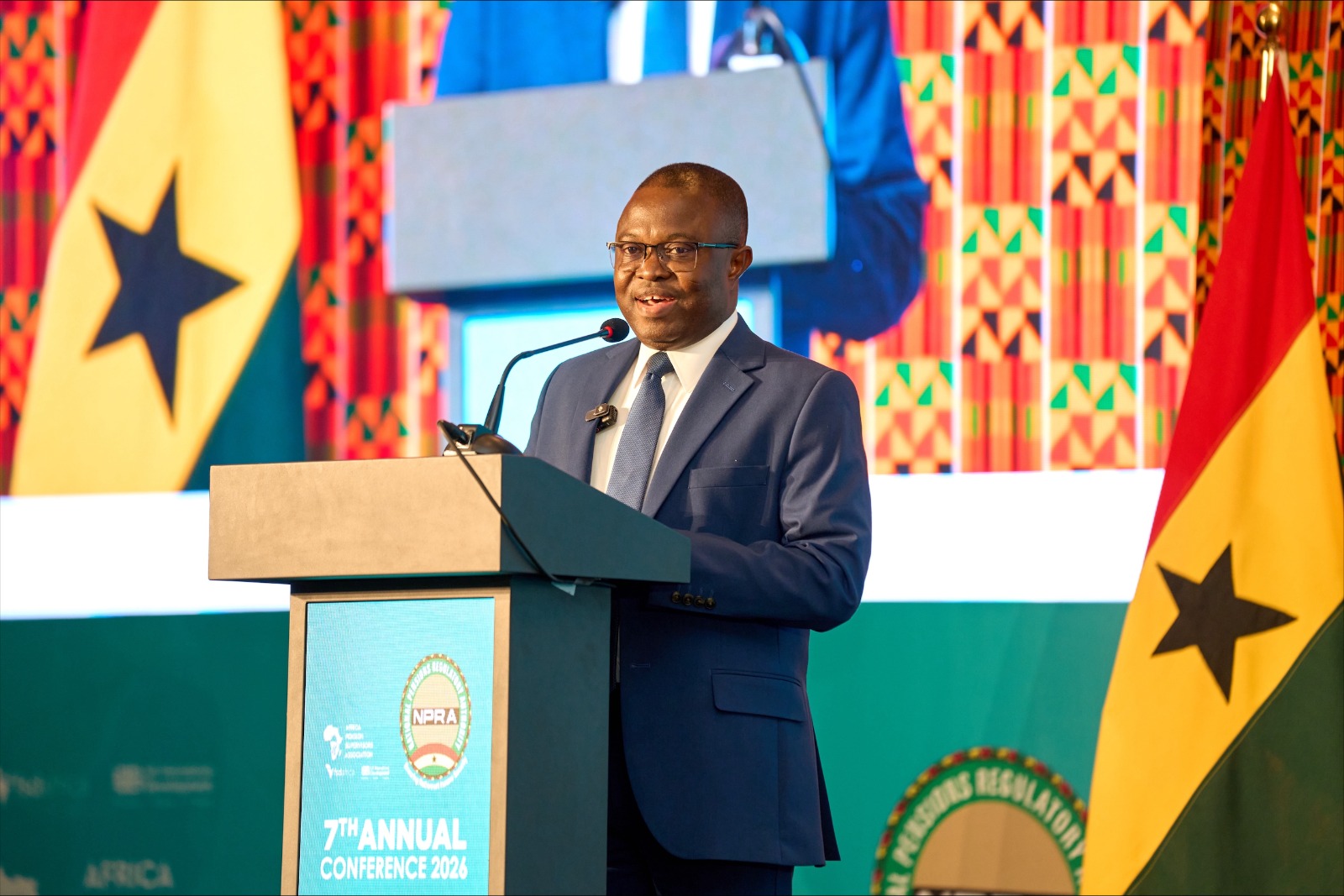
Fidelity Bank Ghana has called for bold reforms to expand pension coverage to Ghana’s informal sector and diaspora communities, describing greater financial inclusion as critical to building sustainable retirement security while unlocking long-term capital for national development.
The call was made by the Deputy Managing Director for Operations & Support Functions, Atta Yeboah Gyan, during his keynote address at the 2026 Africa Pension Supervisors Association (APSA) Annual Conference held in Accra under the theme, “Unlocking Informal Sector and Diaspora Pensions: From Financial Inclusion to Sustainable Retirement Security.”
Addressing policymakers, regulators, pension professionals and industry leaders from across Africa, Mr. Gyan highlighted what he described as Ghana’s “pension coverage paradox,” noting that although the informal sector accounts for more than 80 percent of the country’s workforce, less than one percent actively contribute to the Tier 1 pension scheme.
“For every 100 Ghanaians working outside the formal sector, whether as market traders, artisans, smallholder farmers, kayayei or commercial drivers, only one is contributing to a formal pension. This is not because they lack concern for their future, but because the system, as originally designed, did not adequately reflect their realities, circumstances, or needs,” he said.
He observed that while Ghana’s pension assets have grown significantly in recent years, with total assets across all three pension tiers estimated at GHS114 billion, pension participation has not kept pace with the country’s expanding workforce.
“The work before us is no longer simply about growing pension assets. It is about ensuring that millions of hardworking Ghanaians who currently remain outside the system have access to retirement security through solutions designed around the way they earn, save and live,” he added.
Mr. Gyan identified Ghana’s growing diaspora as another significant opportunity for pension mobilisation. He noted that remittance inflows reached US$7.79 billion in 2025, making them one of Ghana’s most stable sources of foreign exchange.
“If we channelled even 10 percent of Ghana’s annual remittance flows into a structured diaspora pension mechanism, that is nearly US$780 million per year flowing into long-term capital for Ghana. Over five years, that is close to US$4 billion of patient, productive capital that we are currently leaving on the table,” he said.
He argued that digital remittance platforms already provide the infrastructure needed to make diaspora pension contributions seamless, suggesting that pension contributions could become “a second settlement instruction on a transaction that already takes place.”
Turning to the informal sector, Mr. Gyan stressed that the challenge extends beyond financial literacy.
He explained that existing pension products were largely designed around salaried workers with predictable monthly incomes, while informal sector workers typically earn daily, seasonally or through irregular cash flows.
According to him, expanding pension participation will require flexible contribution models that allow individuals to contribute weekly, daily, seasonally or through lump-sum payments without penalties for missed months, supported by sustained public education to rebuild trust.
Drawing lessons from successful initiatives across Africa, Mr. Gyan cited Rwanda’s Ejo Heza voluntary savings programme and Kenya’s mobile-enabled pension solutions as evidence that flexible pension models can significantly improve coverage.
To accelerate pension inclusion in Ghana, he proposed three practical interventions: the creation of a dedicated diaspora pension product supported by regulators, pilot flexible contribution models for informal sector workers through existing mobile money infrastructure and integrating pension enrolment into Ghana Card registration to make retirement planning more accessible.
Mr. Gyan also highlighted the role financial institutions can play in driving pension inclusion, leveraging their customer reach, digital infrastructure and trusted relationships.
“At Fidelity Bank, we currently serve over 2.2 million inclusive banking customers. Many of them are informal sector workers. We see an opportunity and a responsibility to bridge the gap between where the pension system ends and where these customers’ needs begin,” he noted.







Comments are closed